Boost ThreatRank brings specialized AI to 20 languages with no token charges for continuous scoring
A vulnerability backlog can consume engineering time before anyone writes a fix. Someone has to read each advisory and work out whether the application can reach the affected code. That investigation repeats as dependencies and applications change.
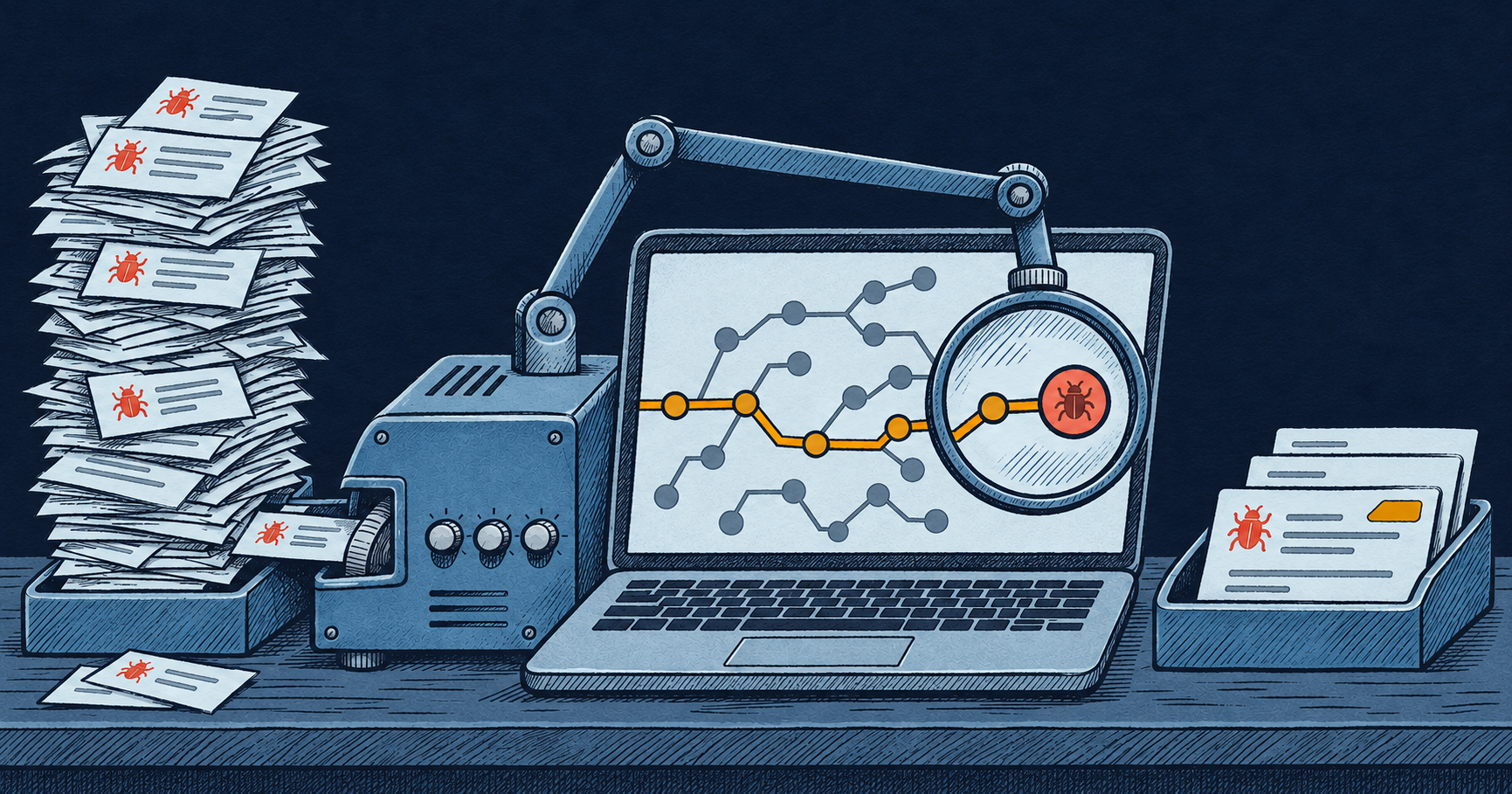
In our internal testing, the shipped ThreatRank small language model (SLM) reduced the triage queue by approximately 75%. It performs that analysis inside Boost’s normal scan pipeline, without external LLM token charges for local scoring.
Your team gets a smaller set of findings to investigate, with application evidence to explain why a vulnerability deserves engineering attention.
Analyze the behavior behind the CVE
ThreatRank combines a call graph with a small language model trained specifically to assess vulnerability relevance. The graph traces application calls. The model relates the code to the behavior described in the advisory.
Consider a vulnerable parser called through a wrapper with an unrelated name. The call graph helps trace how the application invokes it, while the model helps recognize code relevant to the flaw.
The analysis can run before deployment. Your team can assess a rarely used endpoint or monthly batch job without waiting for it to appear in runtime telemetry, and without installing a production sensor for this analysis.
Run AI analysis as often as you scan
Remote LLM analysis adds usage charges and request latency. Across a portfolio of repositories and frequent code changes, that can make detailed AI analysis prohibitively expensive and time consuming.
ThreatRank’s specialized model runs inside the scan container, using CPU and memory already available to the scanner. Source scoring stays in your environment and generates no external token bill, so you can repeat it as code changes without paying a model provider for every assessment.
Coverage spans 20 languages, including Java, JavaScript, Python, C++, Ruby, Go, PHP, and many others. Teams can apply the same approach across new services and older applications, including repositories that contain more than one language. Individual frameworks and call patterns still affect how much the analysis can resolve.
For findings that need deeper explanation, ThreatRank Pro adds remote LLM reasoning using your own key. Comparable internal runs produced similar queue reductions with SLM and Pro. Pro adds written justifications, suggested fixes, and attack scenarios.
Give developers a fix they can review
Boost combines reachability findings with deployment and public-exposure context, plus threat intelligence such as EPSS. A likely reachable vulnerability in an internet-facing production service deserves attention when exploitation likelihood is elevated. That context helps explain why a particular fix belongs at the front of the queue.
Boost’s automated remediation can then generate a pull request for review. Developers get a proposed change alongside the reason for its priority, so they can review, test, and merge it through their existing workflow.
See ThreatRank on your code
See how ThreatRank handles a repository from your own stack, then follow a prioritized finding through to a proposed fix.