
BoostSecurity News, Press & Events

Defensive Research, Weaponized: The 2025 State of Pipeline Security

December 8th 2025, by François Proulx, VP of Security Research @ BoostSecurity.io

TL;DR: 2025 didn’t give us a new, magical Supply Chain vuln class; instead it gave us attackers who finally started reading our manuals

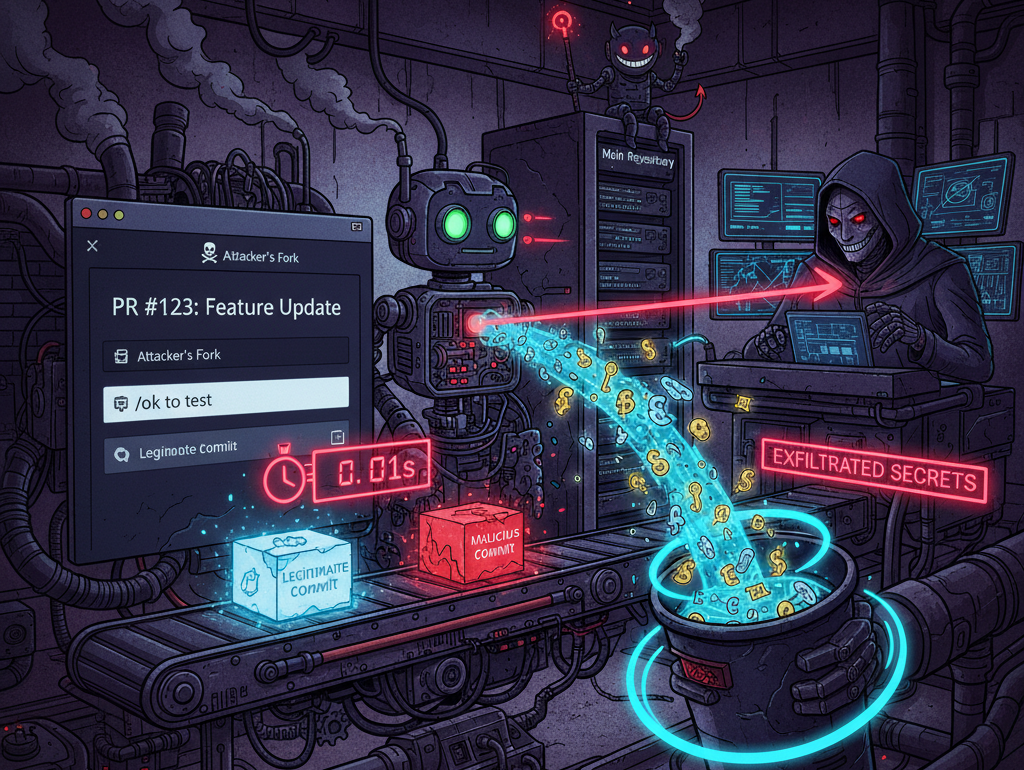
From Ultralytics’ pull_request_target 0‑day (where a BreachForums post indicates they used our own poutine scanner to find it) through Kong, tj-actions, GhostAction, Nx, GlassWorm and both Shai‑Hulud waves, the common pattern wasn’t typosquats but Pipeline Parasitism: living off CI/CD, maintainer accounts and developer endpoints using the same tools and patterns we published to defend them.

The vuln mechanics stayed boring: shell injections and over‑privileged tokens. But they were operationalized with worms, invisible Unicode payloads, blockchain C2, and even wiper failsafes.

Thankfully, platforms are finally improving, yet “pwn request” is here to stay; the only sustainable answer is to treat pipelines as production systems and publish future research assuming adversaries are our most diligent readers!

Read More

Don't Go with the flaw

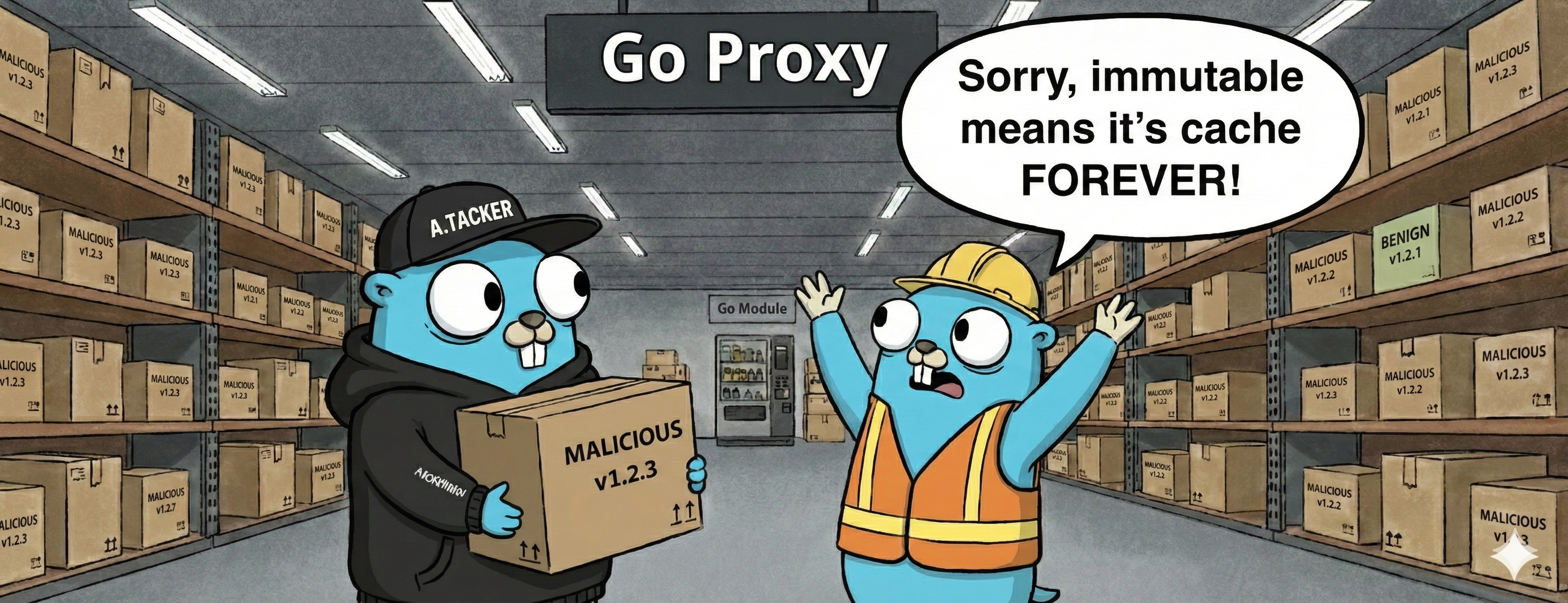
TL;DR: Malicious code caching, dangling commits, pseudo-versions stealthily pointing to backdoors... Go makes you just as vulnerable as other ecosystems to social engineering attacks, and can even help malicious actors cover their tracks. Go enables new manipulation techniques to subtly trick users into downloading malicious packages. In this article, we describe various attack vectors in the Go ecosystem, from social engineering to well-known attacks such as repojacking, domain hijacking, and dependency confusion. Go's ecosystem guarantees integrity, not trust.

Read More

Stop Letting AI Ship Time Bombs: Poutine MCP for CI/CD

Now generally available in our first major release: v1.0.

In our last post, we released the BoostSecurity Safe Package MCP server: a lightweight guardrail that lets coding agents check dependency safety before they install anything. That helps stop typosquats, malware-laced releases, and risky, unmaintained packages from ever reaching your machine.

Today, we’re taking the next step in developer supply-chain defense:

Meet the Poutine MCP Server

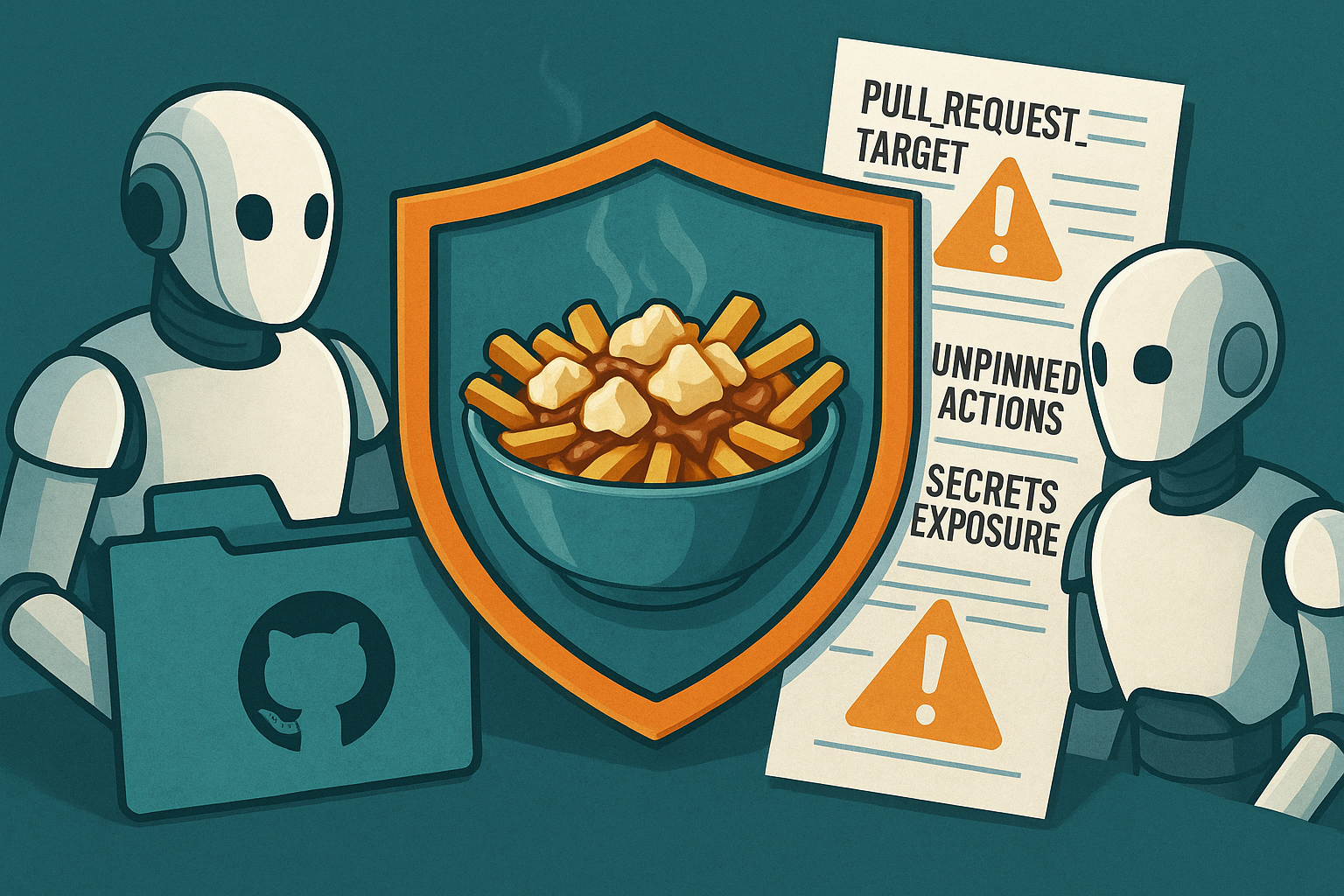
Poutine brings Model Context Protocol (MCP) superpowers to your editor/agent so it can analyze repos and build pipelines on demand, spot dangerous CI/CD coding patterns, and validate newly generated pipelines, all inline while you code.

Read More

Vibe coding...meet safe packages.

In the previous post, we made the case that developers are big targets of attack these days. Hardly a week goes by without some malware slipping into the open source package ecosystem. Developers are affected when they directly (or transitively) download the package. 

Read More
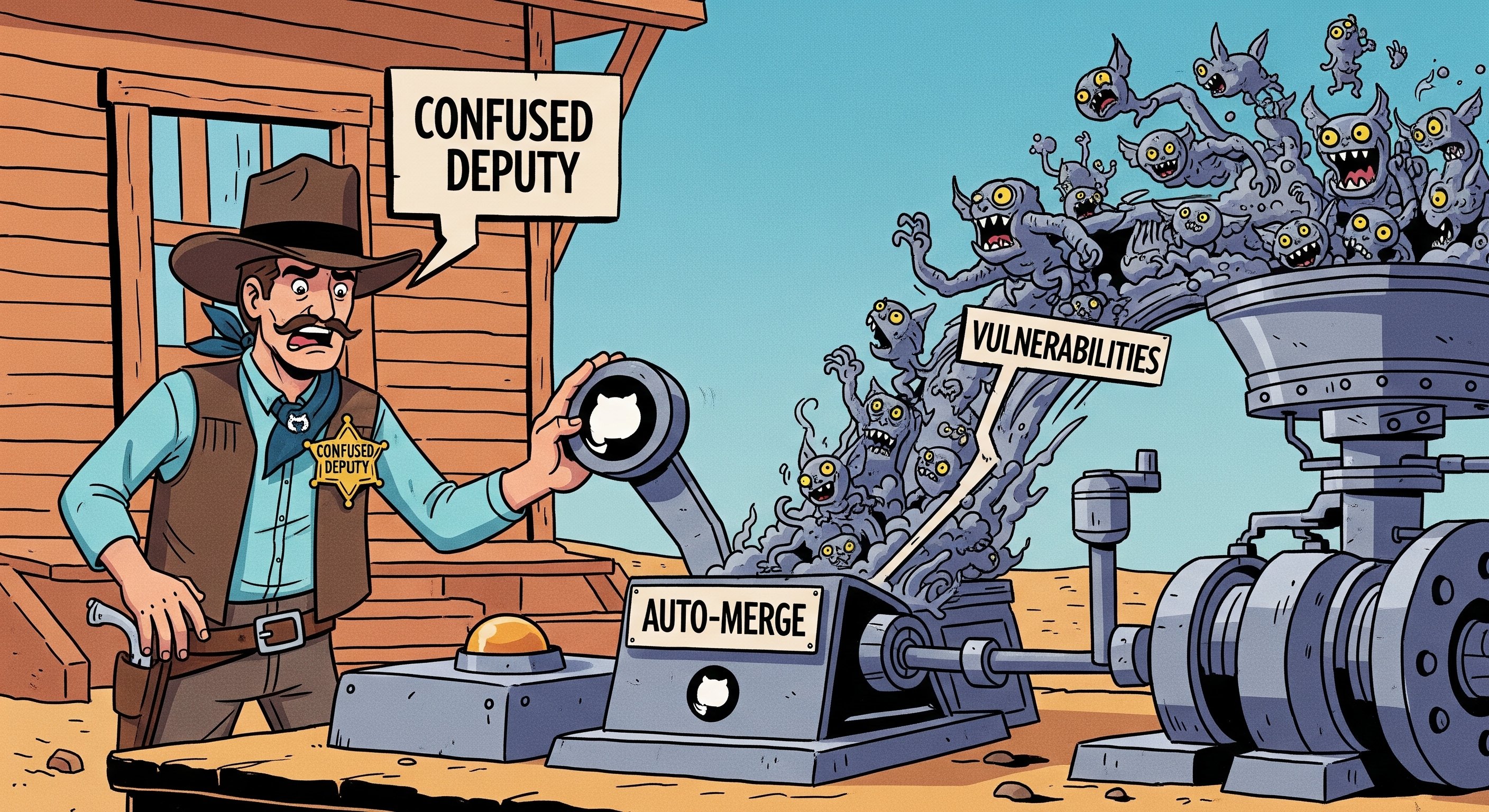
Comic book style illustration of a confused Wild West deputy, GitHub's Dependabot, about to press an 'Auto-Merge' lever on a machine releasing gremlin-like 'Vulnerabilities'.

Weaponizing Dependabot: Pwn Request at its Finest

TL;DR: Your trusty Dependabot (and other GitHub bots) might be an unwitting accomplice. Through "Confused Deputy" attacks, they can be tricked into merging malicious code. This doesn’t stop here. It can escalate to full command injection via crafted branch names and even bypass branch protection rules. Plus, we disclose two new TTPs to build upon previously known techniques.

Read More
first party code

Software Supply Chain Security: 1st Party Code Risks

After connecting with dozens of CISOs and CTOs, we've realized there’s a lot of diverging ideas around what software supply chain security even is. Even more so, the range of opinions around how to effectively protect against the unique and expanding kinds of risks is confusing to say the least. And while there are plenty of supply chain security standards around, and plenty of deeply technical supply chain security resources, there wasn't anything talking about it from a business risk level. So, we put together a resource for CISOs and CTOs that explores four categories of risks;

Read More
developer risk

Software Supply Chain Security: Understanding Developer Risk

After connecting with dozens of CISOs and CTOs, we've realized there’s a lot of diverging ideas around what software supply chain security even is. Even more so, the range of opinions around how to effectively protect against the unique and expanding kinds of risks is confusing to say the least. And while there are plenty of supply chain security standards around, and plenty of deeply technical supply chain security resources, there wasn't anything talking about it from a business risk level. So, we put together a resource for CISOs and CTOs that explores four categories of risks;

Read More